
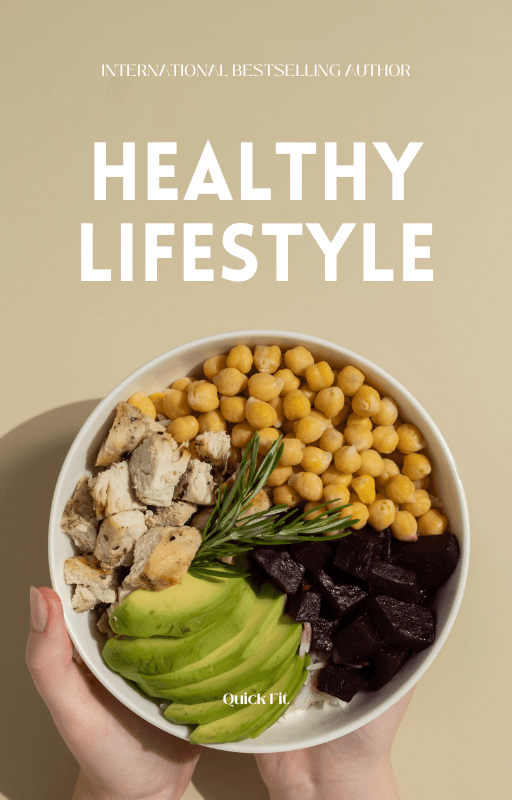
Healthy Lifestyle is an invaluable guide to fostering well-being through mindful choices. Offering insights into nutrition, exercise, stress management, and sleep hygiene, it empowers readers to cultivate sustainable habits for vitality and longevity. With practical tips and evidence-based advice, it inspires holistic health transformations, promoting a fulfilling and balanced life.
Unlock the secrets of nourishment with insights into creating a balanced and sustainable nutrition plan. Explore the world of nutrient-dense foods, meal planning, and personalized dietary strategies for optimal health.
A balanced diet is the cornerstone of optimal health, providing the body with essential nutrients for growth, energy, and overall well-being. The fundamental principles include incorporating a variety of food groups, maintaining portion control, and prioritizing nutrient-dense choices.
The main food groups to focus on include fruits, vegetables, whole grains, lean proteins, and healthy fats. Strive for a colorful plate that represents a diverse range of nutrients. Consider consulting with a registered dietitian to tailor your diet to your specific health goals and lifestyle.
Avoiding excessive intake of processed foods, added sugars, and unhealthy fats is key to maintaining a balanced diet. Hydration is equally important, so remember to drink an adequate amount of water throughout the day to support bodily functions and overall health.
Personalized nutrition plans take into account individual factors such as age, gender, activity level, and health conditions to create a tailored approach to dietary choices. This customization ensures that nutritional needs are met, supporting overall health, energy levels, and specific health goals.
Working with a registered dietitian or nutritionist allows for a thorough assessment of your dietary habits and lifestyle. From managing weight to addressing specific health concerns, a personalized nutrition plan provides guidance on food choices, portion sizes, and meal timing.
Implementing personalized nutrition plans may involve considerations for allergies, intolerances, or specific dietary preferences. This level of customization enhances adherence to the plan and empowers individuals to make informed and sustainable choices for their long-term well-being.