
Dive into the dynamic world of sports and explore the intersection of athleticism, strategy, and passion. Whether you're a seasoned athlete or an aspiring enthusiast, discover tips, training techniques, and insights to elevate your performance in various sports.
Successful sports training encompasses a multifaceted approach that addresses physical conditioning, skill development, mental resilience, and strategic planning. Athletes at all levels benefit from a well-rounded training program that hones their strengths, addresses weaknesses, and enhances overall performance.
Physical conditioning includes strength training, cardiovascular fitness, and flexibility exercises tailored to the specific demands of the sport. Skill development focuses on refining techniques and mastering the fundamentals. Mental resilience training involves strategies to manage stress, build focus, and develop a winning mindset.
Strategic planning encompasses game-specific tactics, understanding opponents, and adapting to dynamic situations. Balancing these elements in a structured training regimen, coupled with proper recovery and nutrition, forms the foundation for successful sports training.
Injuries are inherent risks in sports, but proactive measures can significantly reduce the likelihood and severity of sports-related injuries. Injury prevention strategies include proper warm-up routines, adequate rest and recovery, and maintaining optimal physical conditioning.
Athletes should prioritize dynamic warm-up exercises to prepare muscles and joints for the specific movements of their sport. Incorporating strength and flexibility training helps improve overall resilience and reduce the risk of overuse injuries. Adequate rest between intense training sessions allows the body to recover and adapt, minimizing the risk of fatigue-related injuries.
In the event of an injury, early intervention and proper rehabilitation are crucial. Seeking professional medical advice, such as a sports medicine physician or physical therapist, ensures accurate diagnosis and an effective recovery plan tailored to the athlete's specific needs.
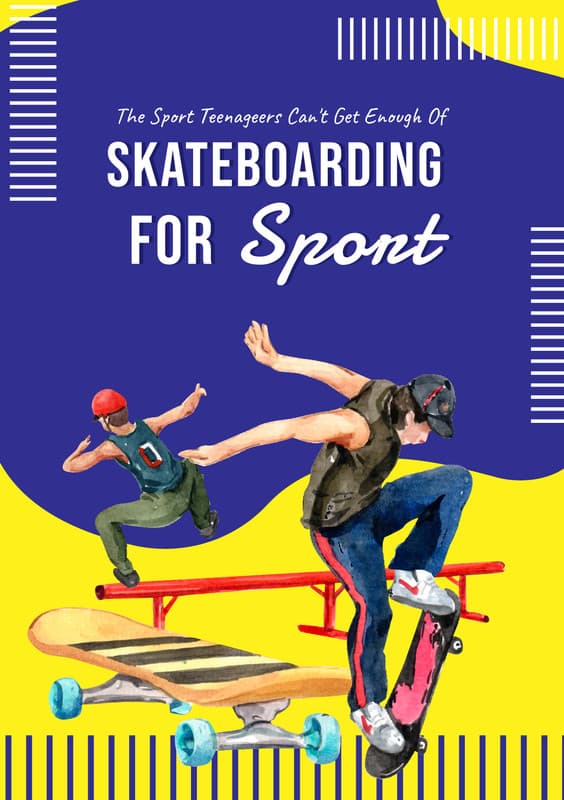
Skateboarding for Sport is your definitive guide to mastering the art of skateboarding. From beginner basics to advanced techniques, this book covers it all. Learn essential skills, tricks, and safety measures to excel in this dynamic sport. With expert advice and inspirational insights, it's your key to unlocking the thrill and excitement of skateboarding as a serious athletic pursuit.